Introduction
If you’ve just started Ozempic, or you’re about to, one of the first practical questions is what foods should you avoid on Ozempic. It’s a good instinct — because while Ozempic does a lot of the appetite work for you, what you put on your plate still matters, both for how you feel day to day and for the results you get.
The honest answer to which foods to avoid on Ozempic is that there’s no official “forbidden” list, but there are certain foods that reliably make side effects worse and quietly undercut your progress. Here’s what to be mindful of, and why.
Why food matters more on Ozempic than you’d expect
Ozempic (semaglutide) works partly by slowing down how quickly your stomach empties. That’s helpful, it’s part of why you feel full sooner and for longer. But it also means food sits in your stomach longer than it used to. Combine that with the fact that you’re now eating smaller amounts overall, and two things follow.
First, certain foods are much more likely to trigger the common side effects:
- Nausea
- Bloating
- Heartburn
- An uncomfortable over-full feeling
Because they’re harder to digest on an already slowed system. Second, because you’re eating less in total, every bite carries more weight nutritionally. When your portions shrink, you want those calories working for you, not against you.
So “foods to avoid on Ozempic” really comes down to two questions: does it worsen how I feel, and does it work against my goals?
The foods worth limiting
High-fat, fried, and greasy foods.
This is the big one that nearly every clinician agrees on. Fatty foods, think fries, chips, pizza, fried chicken, doughnuts, and rich, oily dishes, already digest slowly on their own. Layer that on top of Ozempic’s delayed emptying and you get a “double-slowing” effect that’s a common cause of nausea and vomiting on the medication. High-fat foods also tend to be high in saturated fat, which matters if you’re managing cholesterol or type 2 diabetes alongside your weight.
Sugary foods and refined carbs.
White bread, bagels, pastries, cookies, sugary cereals, and candy spike your blood sugar quickly and then let it crash — a swing that can worsen nausea and leave you feeling shaky or unwell. They also work directly against the blood-sugar and weight goals Ozempic is meant to support, while offering very little of the nutrition your smaller appetite needs.
Sugary and fizzy drinks.
Soda, sweetened juices, and energy drinks combine the blood-sugar problem above with carbonation that adds gas and bloating to a stomach that’s already slow to empty. This is an easy one to fix and often makes a noticeable difference to how you feel.
Alcohol.
Alcohol is worth real caution on Ozempic. It can irritate your stomach and worsen nausea, it can affect your blood sugar (which matters especially if you’re also on diabetes medication), and it adds empty calories with no nutritional return. If you do drink, keep it modest and see how your body responds.
Spicy foods.
Even if you’ve always tolerated heat, spicy dishes can become a trigger on semaglutide. They can aggravate heartburn and reflux because slowed digestion makes it easier for stomach contents to back up and some people find they’re suddenly far less tolerant of spice than they used to be.
Very large or heavy meals.
This is as much about how as what. A big meal that would have been fine before can now sit heavily and leave you nauseated, because there’s simply more sitting in a stomach that’s emptying slowly. Smaller meals, eaten slowly and stopping at comfortable fullness, are far kinder to your system than three large plates a day.
What to reach for instead
Knowing what to limit is only half the picture — what you replace those foods with matters just as much.
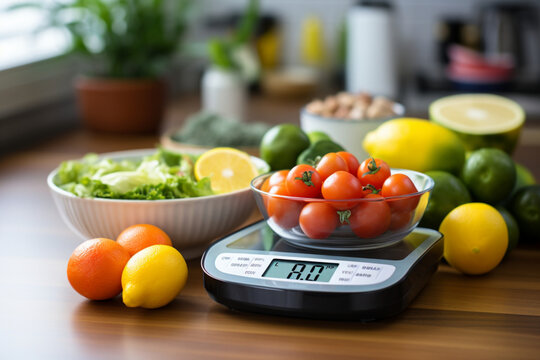
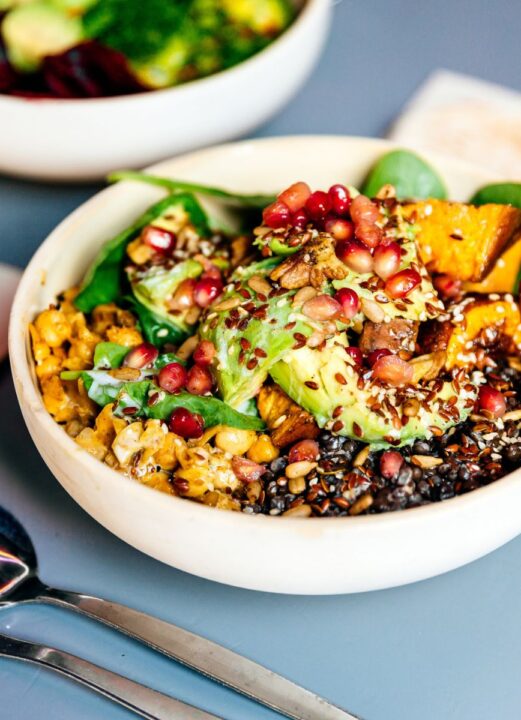
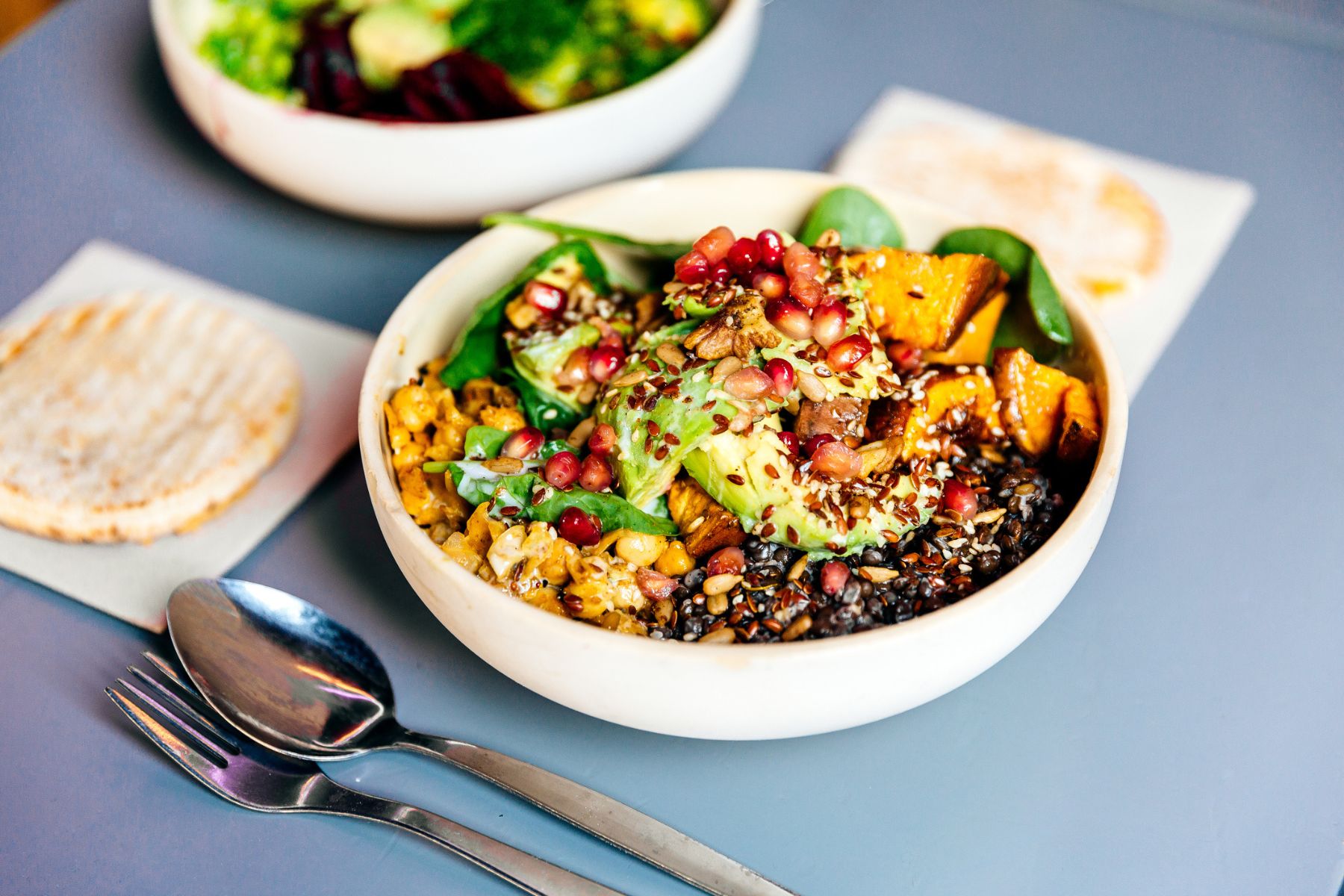
Prioritise lean protein: chicken, fish, eggs, Greek yogurt, tofu, legumes.
This is genuinely important: people on GLP-1 medications tend to lose muscle along with fat, and protein (alongside some resistance exercise) is your best defence against that. Protecting muscle keeps your metabolism stronger and your results more durable.
Lean on fibre and fluids to stay ahead of constipation, which is one of the more common complaints. Vegetables, fruit, whole grains, and plenty of water go a long way.
And during the first weeks or after a dose increase, when nausea tends to peak, bland, simple foods are your friend: think plain rice, toast, crackers, bananas, clear broths, and ginger. Cool, easy-to-digest foods usually sit better than hot, heavy, or strongly flavoured ones.
There’s no such thing as a banned-foods list
Here’s the nuance I always share with patients: there isn’t one universal list of foods you must never touch on Ozempic. Everyone’s tolerance is a little different — the meal that upsets one person is perfectly fine for another. The real skill is learning to notice which foods reliably leave you feeling worse, and easing off those, rather than following a rigid set of rules.
That’s also why this works best with support. Because you’re eating less, getting the most nutrition from what you do eat becomes genuinely important, and a tailored plan makes a real difference to both your comfort and your results. If side effects are severe or persistent rather than easing over time, that’s always worth raising with your prescriber rather than pushing through.
How Modest Medix Can Help
At Modest Medix, we understand that a medication like Ozempic works best when it’s paired with the right nutrition — not a rigid list of rules, but a plan built around how your body actually responds.
Our physician-led weight management program focuses on identifying and addressing the biological factors behind weight gain and obesity, with medication as one part of a broader, supported strategy.
Our comprehensive program includes:
- Supervised use of Ozempic, Wegovy, or alternatives when appropriate
- Customised nutrition support tailored to your lifestyle and metabolic needs
- ACT-based behavioural therapy to support habit change and emotional eating management
- Metabolic and genetic testing to uncover hidden contributors to weight gain
- Ongoing coaching and follow-up so you’re never left guessing about your next step
By combining medical supervision with practical nutrition guidance, we help patients minimise side effects, protect their muscle, and get more from every stage of their treatment — including knowing exactly which foods to prioritise and which to ease off.
Reviewed by the Modest Medix team. Written by Dr. Eskay (Dr. Saima Khan)