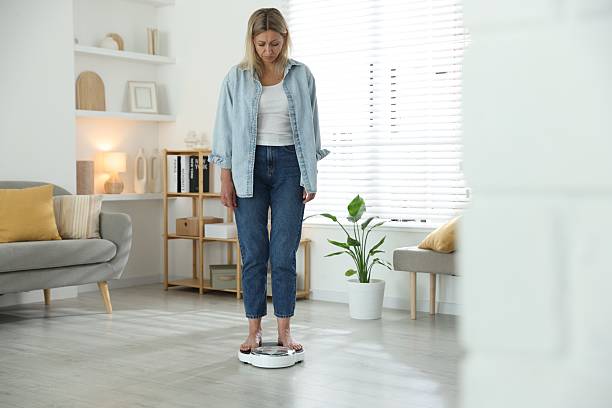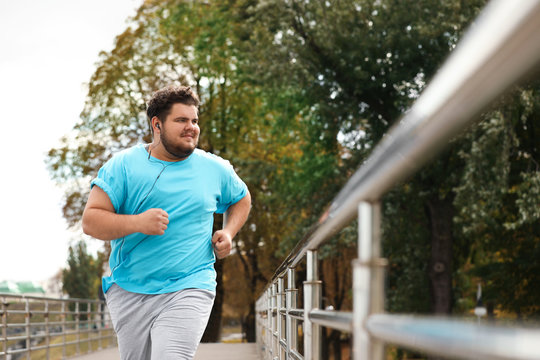
Many people notice that they sweat more than others and wonder whether their weight could be playing a role. This often leads to an important question: is excess sweating linked to obesity?
The short answer is yes. Research shows that obesity can significantly increase sweating, particularly during physical activity, warm weather, and even routine daily tasks.
However, sweating is not always simply a comfort issue. In some cases, excess sweating may be a sign that the body is working harder than it should to regulate temperature and maintain normal function.
Understanding the relationship between obesity and sweating can help identify potential health concerns and guide individuals toward effective solutions.
Why Do We Sweat?
Sweating is the body’s natural cooling system.
When body temperature rises, sweat glands release moisture onto the skin. As the sweat evaporates, heat is removed from the body, helping maintain a safe internal temperature.
This process is essential for survival and becomes more active during:
- exercise
- hot weather
- emotional stress
- illness or fever
While sweating is normal, excessive sweating can sometimes indicate an underlying issue.
This is why many people ask whether excess sweating is linked to obesity or if another medical condition may be responsible.
Is Excess Sweating Linked to Obesity?
Yes, obesity is one of the most common contributors to excess sweating.
People living with obesity often generate more body heat because carrying additional weight requires the body to work harder throughout the day.
Even simple activities such as:
- walking
- climbing stairs
- household chores
- standing for extended periods
can require more energy expenditure, resulting in increased heat production.
The body responds by producing more sweat to cool itself down.
This explains why excess sweating linked to obesity is frequently noticed even during activities that seem relatively minor.
How Excess Weight Increases Sweating
Several physiological factors contribute to increased sweating in individuals with obesity.
Increased Insulation
Body fat acts as insulation.
While some insulation is beneficial, excess fat can trap heat inside the body, making it harder to cool down efficiently.
As a result, the body often compensates by producing more sweat.
Higher Energy Expenditure
Moving a larger body requires more effort.
Even everyday movements burn more energy and create additional heat.
The more heat generated, the more sweating is required to regulate body temperature.
Greater Skin Surface Friction
Obesity can increase skin folds and friction between body surfaces.
Areas such as:
- under the breasts
- groin
- underarms
- abdominal folds
may become warmer and sweat more heavily, contributing to discomfort and skin irritation.
Can Excess Sweating Be a Sign of Obesity?
In some cases, excess sweating can be one of several symptoms associated with obesity.
However, sweating alone does not diagnose obesity.
Healthcare professionals evaluate multiple factors, including:
- Body Mass Index (BMI)
- waist circumference
- metabolic health markers
- medical history
If sweating occurs alongside:
- weight gain
- fatigue
- shortness of breath
- difficulty exercising
it may indicate that excess weight is affecting overall health and physical function.
When Excess Sweating May Signal Something Else
Although excess sweating linked to obesity is common, it is important to recognise that other conditions can also cause increased sweating.
These include:
Hyperhidrosis
Hyperhidrosis is a medical condition characterised by excessive sweating that occurs beyond what is needed for temperature regulation.
It commonly affects the:
- palms
- feet
- underarms
- face
Thyroid Disorders
An overactive thyroid can increase metabolism and body temperature, resulting in excessive sweating.
Diabetes and Blood Sugar Fluctuations
Low blood sugar episodes can trigger sweating, shakiness, and dizziness.
Certain Medications
Some medications may increase sweating as a side effect.
If sweating seems excessive or develops suddenly, a medical evaluation may be appropriate.
Health Risks Associated With Obesity and Excess Sweating
Excess sweating linked to obesity is often more than a nuisance.
Persistent sweating can contribute to:
- skin infections
- fungal infections
- chafing
- body odour
- reduced confidence and quality of life
Additionally, the underlying obesity may increase the risk of:
- insulin resistance
- type 2 diabetes
- high blood pressure
- fatty liver disease
- cardiovascular disease
Addressing the root cause often improves both sweating and overall health.
Can Weight Loss Reduce Excess Sweating?
In many cases, yes.
Studies have shown that weight loss can significantly reduce excessive sweating.
As body weight decreases:
- less heat is produced during movement
- body temperature regulation improves
- physical activity becomes easier
- sweating often becomes less intense
Many individuals notice improvements in comfort and confidence after losing even a modest amount of weight.
Research suggests that losing as little as 5–10% of body weight can produce meaningful improvements in metabolic health and physical symptoms.
What to Do If Excess Sweating Is Affecting Your Daily Life
If excess sweating linked to obesity is affecting your quality of life, it may be worth discussing with a healthcare professional.
A comprehensive assessment can help determine whether sweating is primarily related to:
- body weight
- metabolic health
- medication use
- hormonal factors
- other medical conditions
Identifying the underlying cause allows for more effective treatment and long-term improvement.
How Modest Medix Can Help
At Modest Medix, we understand that symptoms such as excess sweating are often connected to deeper metabolic health concerns.
Our physician-led weight management program focuses on identifying and addressing the biological factors contributing to weight gain and obesity.
Our comprehensive program includes:
- Supervised use of Ozempic, Wegovy, or alternatives when appropriate
- Customised nutrition support tailored to your lifestyle and metabolic needs
- ACT-based behavioural therapy to support habit change and emotional eating management
- Metabolic and genetic testing to uncover hidden contributors to weight gain
- Ongoing coaching and follow-up so you’re never left guessing about your next steps
By addressing obesity through a comprehensive medical approach, we help patients improve both their weight and the symptoms that often accompany it, including excess sweating.
Conclusion
So, is excess sweating linked to obesity?
For many individuals, the answer is yes.
Excess weight increases heat production, makes temperature regulation more challenging, and often leads to increased sweating during everyday activities.
While sweating itself may not be dangerous, it can affect comfort, confidence, and quality of life. More importantly, it may serve as a sign that excess weight is impacting overall health.
Understanding the connection between obesity and sweating is the first step toward addressing the root cause and improving long-term metabolic health.
Reviewed by the Modest Medix team. Written by Dr. Eskay (Dr. Saima Khan)