Introduction
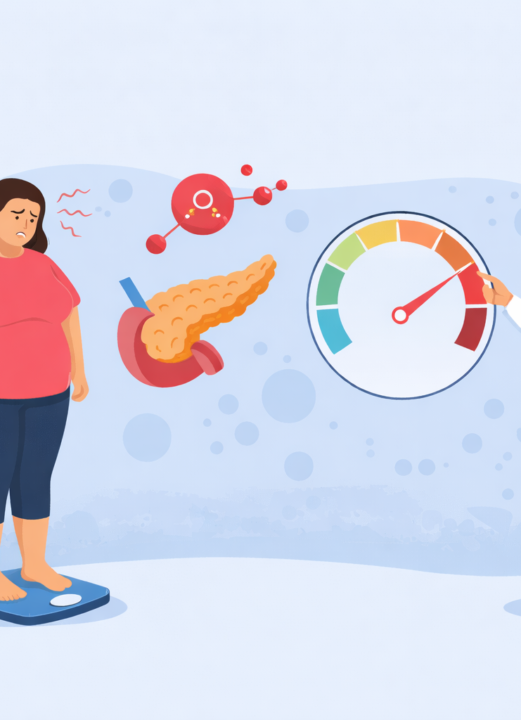
Many people are surprised when a routine blood test reveals elevated cholesterol levels. Often there are no obvious symptoms, and the result can feel confusing, especially if you thought your diet was relatively healthy. Is high cholesterol linked to obesity? In many cases, the two conditions are connected. Excess body weight can influence the way the body processes fats in the bloodstream, which may lead to higher cholesterol levels over time. The relationship is not always simple, though. Genetics, lifestyle habits, and metabolic health all play a role.
Understanding how obesity and cholesterol interact can help you make sense of your lab results and decide what steps to take next.
Understanding Cholesterol in the Body
Cholesterol often gets a bad reputation, but the body actually needs it. This wax-like substance is essential for building cell membranes, producing hormones, and supporting digestion.
Problems begin when cholesterol levels become imbalanced.
Blood tests usually measure two main types of cholesterol.
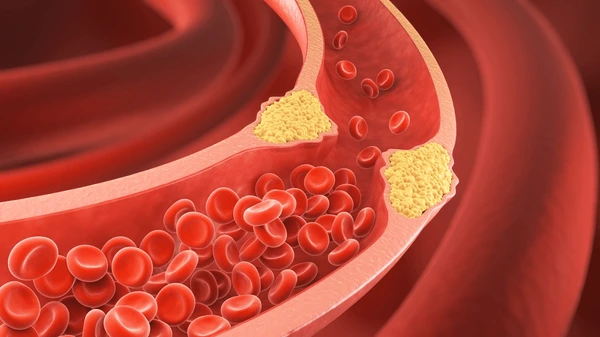
LDL cholesterol, often called “bad cholesterol,” can accumulate in the walls of arteries. Over time this buildup may narrow the arteries and increase the risk of heart disease or stroke.
HDL cholesterol, sometimes referred to as “good cholesterol,” works differently. It helps carry excess cholesterol away from the bloodstream and back to the liver where it can be processed.
A healthy balance between these two forms of cholesterol is important for protecting cardiovascular health.
Is High Cholesterol Linked to Obesity?
For many individuals, the answer is yes. High cholesterol is frequently linked to obesity, particularly when body fat accumulates around the abdomen.
When excess fat is present in the body, several metabolic processes begin to change. These changes can alter how cholesterol and other lipids circulate in the blood.
People living with obesity often experience a pattern that includes:
higher LDL cholesterol
lower HDL cholesterol
increased triglycerides
Together, these changes can raise the risk of cardiovascular disease.
What drives this connection is not simply weight alone, but the metabolic activity of fat tissue itself.
Why Excess Body Fat Affects Cholesterol
Body fat is more than stored energy. It behaves almost like an endocrine organ, releasing hormones and inflammatory signals that affect metabolism.
Several biological processes explain how obesity influences cholesterol levels.
Increased Fat Production in the Liver
When the body consistently takes in more calories than it burns, the liver begins converting excess energy into triglycerides. These fats circulate in the bloodstream and contribute to higher cholesterol levels.
Reduced Protective Cholesterol
Many individuals with obesity have lower HDL cholesterol. Since HDL helps remove excess cholesterol from the bloodstream, lower levels mean cholesterol may remain in circulation longer.
Insulin Resistance
Insulin resistance is common in obesity. When this occurs, the liver starts producing more lipoproteins that increase LDL cholesterol and triglyceride levels.
Inflammation
Fat tissue—especially deep abdominal fat—releases inflammatory chemicals. These signals interfere with normal metabolic processes and can worsen cholesterol imbalance.
The Role of Belly Fat
Where fat is stored in the body also matters.
Fat located just beneath the skin, known as subcutaneous fat, tends to be less metabolically harmful. However, fat stored deep within the abdomen behaves differently.
This deeper fat is called visceral fat.
Visceral fat surrounds internal organs and actively releases hormones and inflammatory molecules. These substances influence cholesterol metabolism and increase the likelihood of developing metabolic conditions.
People with higher levels of visceral fat are more likely to experience:
elevated LDL cholesterol
higher triglyceride levels
insulin resistance
metabolic syndrome
Because of this, healthcare providers often measure waist circumference in addition to body weight.
Can Losing Weight Improve Cholesterol?
The encouraging news is that improving metabolic health can also improve cholesterol levels.
Research consistently shows that even modest weight reduction can make a difference. Losing five to ten percent of body weight often leads to measurable improvements in cholesterol profiles.
Potential benefits include:
reduced LDL cholesterol
lower triglyceride levels
increased HDL cholesterol
improved blood sugar regulation
Weight loss can also reduce inflammation and improve insulin sensitivity, both of which help restore healthier lipid balance.
For many people, addressing weight and cholesterol together provides the most effective path toward long-term health improvement.
Why Lifestyle Changes Sometimes Aren’t Enough
Healthy lifestyle habits—such as improving diet quality and increasing physical activity—can help manage cholesterol levels. Yet some individuals continue to struggle despite making meaningful changes.
This can happen when underlying metabolic factors are involved.
Hormones, genetics, sleep patterns, stress levels, and insulin resistance all influence how the body regulates both weight and cholesterol. When these factors are present, a more comprehensive approach may be necessary.
Medical weight management programs are designed to address these deeper metabolic drivers.
How Modest Medix Can Help
At Modest Medix, we recognise that obesity and high cholesterol often develop from the same underlying metabolic factors. Rather than focusing on short-term dieting, our physician-led program addresses those root causes.
Our comprehensive weight management program includes:
Supervised use of medications such as Ozempic, Wegovy, or appropriate alternatives when indicated
Customised nutrition guidance designed to work within your real life
Acceptance and Commitment Therapy (ACT)–based behavioural coaching to support lasting habit change
Metabolic and genetic testing to identify underlying contributors to weight gain and cholesterol imbalance
Ongoing follow-up and coaching so patients always have professional guidance
By combining medical care, nutrition support, and behavioural coaching, our team helps patients build sustainable strategies that support both weight management and metabolic health.
Conclusion
So, is high cholesterol linked to obesity?
In many cases, the two conditions are closely connected. Excess body fat—especially visceral fat around the abdomen—can disrupt cholesterol metabolism and increase the risk of cardiovascular disease.
The encouraging part is that improving metabolic health often improves cholesterol levels as well. With the right support and a personalised approach, meaningful progress is possible.
Contact Modest Medix today.
Written by the Modest Medix Clinic Team | Reviewed by Dr. Saima Khan (Dr. Eskay)