Introduction
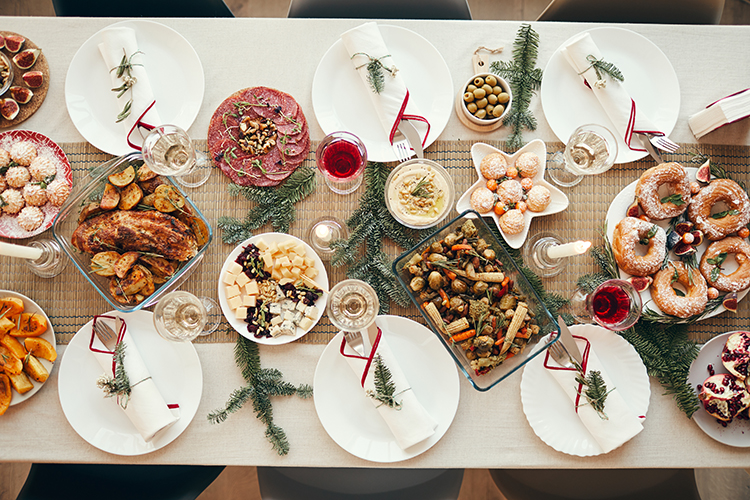
The festive season often brings joy and generous servings of rich meals, celebratory snacks, and cosy nights in. It’s not uncommon to step on the scale after Christmas and feel concerned. But here’s the truth: you haven’t undone all your hard work in one week. Post-christmas weight loss is still very much a reality, not some distant goal that you have lost just because you indulged in a nice holiday meal.
Holiday weight gain happens to almost everyone, but it’s often misunderstood. Much of the post-Christmas “bloat” isn’t actual fat gain — it’s water retention, inflammation, and sluggish digestion.
Instead of starting the New Year in panic mode, a more effective approach is a gentle reset rooted in science, not shame.
What’s Actually Happening in Your Body After the Holidays
After a few days (or weeks) of holiday indulgences, your body might feel off balance — but not because of permanent damage. Here’s why:
- Water retention spikes after eating salty or carbohydrate-heavy meals
- Digestive slowdown due to lower fibre intake and reduced movement
- Blood sugar swings from excess sugar and refined carbs
- Mild inflammation caused by alcohol, poor sleep, and lack of routine
All of these are reversible — within days — if you return to healthy habits. That’s why post-holiday weight loss should focus on gentle structure, not extremes.
A Guide to Post-Holiday Weight Loss That Works (Without the Guilt)
1. Rehydrate First — Before Anything Else
Hydration helps your body release water retention, which is important for post-holiday weight loss. It helps flush toxins, and kickstart digestion. Aim for 2.5 to 3 litres of water daily — especially if you’ve had more alcohol, caffeine, or sodium than usual.
Pro tip: Add lemon or mint to your water for flavour and digestion support.
2. Anchor Your Meals Around Protein and Fibre
Crash diets lead to more bingeing. Instead, build simple, blood-sugar-balancing meals with:
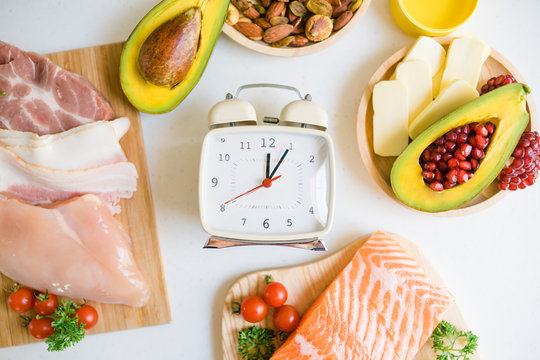
- Lean protein: chicken, eggs, tofu, legumes
- Fibre-rich carbs: vegetables, oats, sweet potatoes
- Healthy fats: avocado, olive oil, nuts
These combinations help stabilise hunger hormones and reduce sugar cravings naturally.
3. Get Moving (Even If It’s Just a Walk) for Post-Holiday Weight Loss
You don’t need to jump into intense workouts to “burn off” the holidays. In fact, punishment-based fitness often backfires. Start with:
- 30–45 minute walks
- Light strength training
- Yoga or low-impact cardio
Movement supports lymphatic drainage, boosts mood, and regulates blood sugar — all key post-holiday.
4. Don’t Skip Meals to Compensate
Skipping meals the next day after a big dinner doesn’t help. It often leads to low energy, irritability, and rebound hunger later on. Instead, keep a regular eating schedule with portion-aware meals.
Remember: your body needs nourishment to reset — not restriction.
5. Focus on Routine Over Restriction
Instead of dramatic “detoxes,” get back to the basics:
- Consistent meals and sleep
- Daily movement — even 15–20 minutes
- Minimal snacking between meals
- Less alcohol, more water
- Fibre at every meal
These small shifts make a significant difference when done consistently.
What NOT to Do After Christmas
- No detox teas — they’re dehydrating and ineffective
- No “cleanses” that eliminate entire food groups
- No scale obsession — your weight will naturally fluctuate
- No guilt or punishment mentality
Instead, approach post-holiday weight loss as a return to your normal, not a radical overhaul.
FAQs: Your Post-Holiday Reset Questions Answered
Q: Did I undo all my progress over Christmas?
Not at all. One week of indulgence cannot reverse months of consistent effort. The scale may be up due to water, not fat. Stay the course — your results will return.
Q: Should I fast or skip meals now?
Unless you’re under medical supervision, skipping meals usually leads to blood sugar crashes and binge eating. Focus on nutrient-dense meals and stable blood sugar.
Q: How much weight did I really gain?
Studies show most people gain 0.5–2 lbs of fat during the holidays — the rest is water and food weight. You may feel heavier, but it often disappears within a week of routine.
Q: I feel bloated and tired — what helps?
Bloating is normal post-holidays. Hydration, fibre, movement, and magnesium-rich foods (like leafy greens or pumpkin seeds) can help relieve this.
Q: I need structure. What’s better — self-guided or supervised?
If you’ve been trying to lose weight on your own without results, professional guidance offers a personalised plan, accountability, and emotional support — especially after the holidays when motivation dips.
How Modest Medix Can Help You Reset
At Modest Medix, we understand that the post-holiday period can feel overwhelming. But it’s also the perfect time to commit to your goals with a structured, evidence-based plan.
Our medical weight loss program is designed to support your reset with:
- Physician-led care, including supervision of medications like Ozempic or Wegovy if appropriate
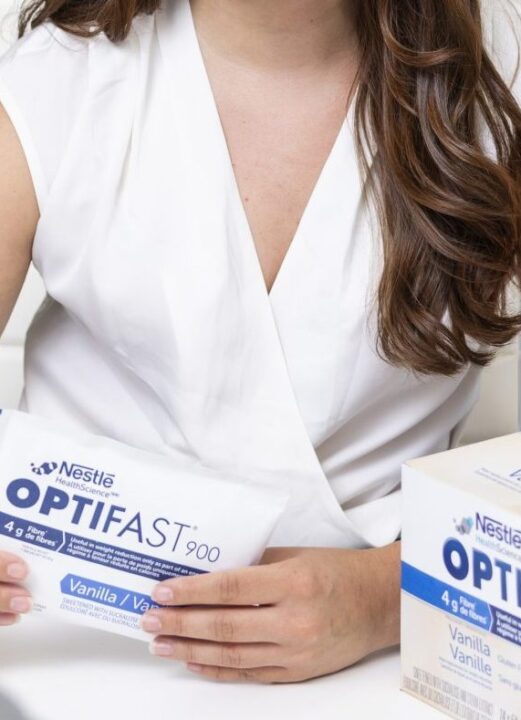
- Optifast Meal Replacement Program — a Health Canada–approved Very Low Calorie Diet (VLCD) to jumpstart weight loss
- ACT-based behavioural therapy to address emotional eating and mindset
- Registered Dietitian–led nutrition planning, including meal structures that fit busy lifestyles
- Metabolic and genetic testing, where applicable, to personalise your approach
- Weekly check-ins and long-term support, so you never feel like you’re going it alone
Whether you’re looking to reset gently after the holidays or commit to long-term changes in the new year, we’re here to help you do it — safely, effectively, and with compassion.
Now booking for January cohorts. Ready to start your 2026 strong?
Written by the Modest Medix Clinic Team | Reviewed by Dr. Saima Khan (Dr. Eskay)