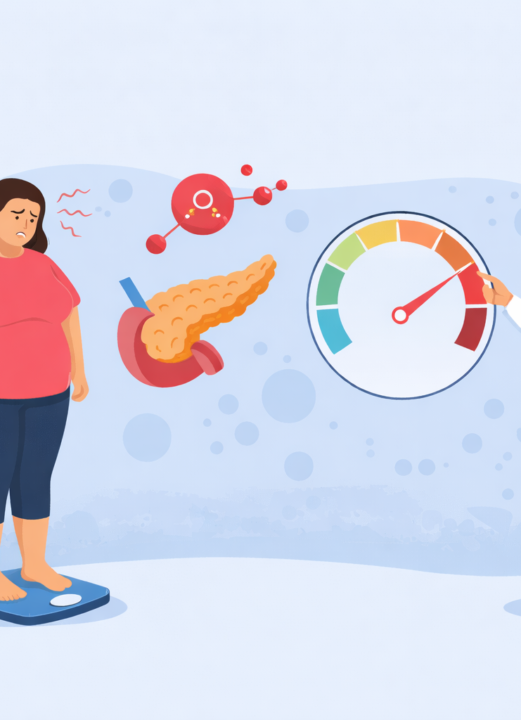
Should I See a Doctor for Weight Loss?
It’s a question more people are asking than ever before, especially here in Canada where medical weight loss options are expanding.
If you’ve been wondering, “Should I see a doctor for weight loss?” you’re not alone. For many, the tipping point comes after years of trying diets, workouts, supplements, and still feeling stuck.
This guide is here to help you figure that out, not with guilt or pressure, but with clarity. You’ll walk away knowing whether medical help could be the next step in your journey and why it’s more than okay to ask for support.
Answer These 5 Questions to Find Your Answer
Think of this section like a personal check-in. If you nod “yes” to two or more, it may be time to talk to a physician about your weight loss goals.
1. Have you tried dieting and exercise without long-term success?
Maybe you’ve done keto. Maybe you’ve done HIIT five days a week. And maybe it worked — briefly.
If your weight has gone up and down like a yo-yo, or you’ve regained more than you lost, it’s not a reflection of willpower. It’s your biology.
Weight isn’t just about calories in and out. It’s influenced by hormones, genetics, stress, medication side effects, and more. A doctor trained in obesity medicine can help you understand those deeper factors.
2. Do you have an existing health condition (like PCOS, thyroid issues, or pre-diabetes)?
Conditions like insulin resistance, polycystic ovarian syndrome (PCOS), and hypothyroidism can make weight loss harder even if you’re eating well and staying active.
These aren’t excuses. They’re medical realities.
If any of these are part of your health story, working with a doctor isn’t just helpful — it may be necessary to create a safe, realistic plan.
3. Are you concerned about current or future health risks related to your weight?
Excess weight can affect more than how you feel in your clothes. It can impact your blood pressure, cholesterol, joints, energy, fertility, and even mental health.
If you’re thinking ahead: “I don’t want to be in pain at 45” or “I want to reduce my risk of diabetes”, then it’s worth speaking with a physician now, not later.
4. Does your hunger and appetite feel out of your control?
Many people feel ashamed when they “can’t stop eating” — but appetite is a regulated system, just like heart rate or body temperature.
When your hunger cues feel louder than your logic, that could be a sign of hormonal dysregulation — not lack of discipline. Medical help can reset the balance and bring your biology back on your side.
5. Are you looking for a sustainable, science-backed plan instead of another fad diet?
If you’re tired of short-term solutions and want a long-term strategy built on evidence, medical weight loss offers exactly that.
It’s not about “quick fixes.” It’s about understanding your health deeply and choosing tools that align with your body — not against it.
What Can a Doctor Actually Do to Help You Lose Weight?
This is the follow-up question we hear all the time — and it’s a good one.
Medical weight loss is different from a gym plan or a commercial diet because it starts with science, not assumptions.
Here’s what you can expect:
A Comprehensive Health Assessment
It’s not just about weight. We look at blood work, metabolic rate, hormone levels, sleep, stress, and family history. Your weight is one data point — not the whole story.
Personalised Nutrition Planning
Forget restrictive meal plans. The goal is sustainable change — meals you can actually enjoy, and strategies that work with your culture, schedule, and preferences.
Exploring Medical Treatments, When Appropriate
This could include prescription medications such as Ozempic or Wegovy (semaglutide), both approved in Canada for medical weight management. These are carefully prescribed based on your health profile, and monitored throughout.
Ongoing Support and Accountability
Having someone in your corner, checking labs, tracking progress, adjusting plans, makes a huge difference. You’re not doing it alone.
At Modest Medix, Dr. Saima Khan brings not only medical expertise, but also training in Acceptance and Commitment Therapy (ACT) to help address the mental and emotional aspects of weight change.
The Verdict: So, Should I See a Doctor for Weight Loss?
If any of this felt like it was written for you — if you’ve tried, struggled, and are ready to understand your body on a deeper level — then yes. Seeing a doctor is a powerful next step.
You don’t need to wait until it gets worse. You don’t need to figure it all out alone.
Take the First Step with Modest Medix
Modest Medix isn’t just a weight loss clinic. It’s a physician-led, judgement-free space for people who are ready to reclaim their health.
Led by Dr. Saima Khan, MD, CCFP, dABOM, our team focuses on root-cause care, real-life support, and long-term success.
We’ll help you:
- Understand your metabolism, hormones, and appetite
- Explore safe, effective tools including medication (when needed)
- Build habits that last, with support you can count on
- Track your progress with real metrics — not just the scale
Located in Ontario, offering virtual consultations across Canada.
Ready to stop wondering and start feeling better?
Book your consultation with Modest Medix today and take the first step toward empowered, supported weight loss.
Written by the Modest Medix Clinic Team | Reviewed by Dr. Saima Khan (Dr. Eskay)