Introduction
Many people begin a weight loss journey with determination. They improve their diet, increase physical activity, and try to stay consistent. Yet despite these efforts, the scale barely moves. If this sounds familiar, you may have wondered: “Why can’t I lose weight?” One possible explanation is metabolic resistance.
This concept helps explain why some individuals struggle to lose weight even when they are doing many of the “right” things.
Understanding metabolic resistance can shift the conversation away from blame or willpower and toward the underlying biology that influences weight management.
What Is Metabolic Resistance?
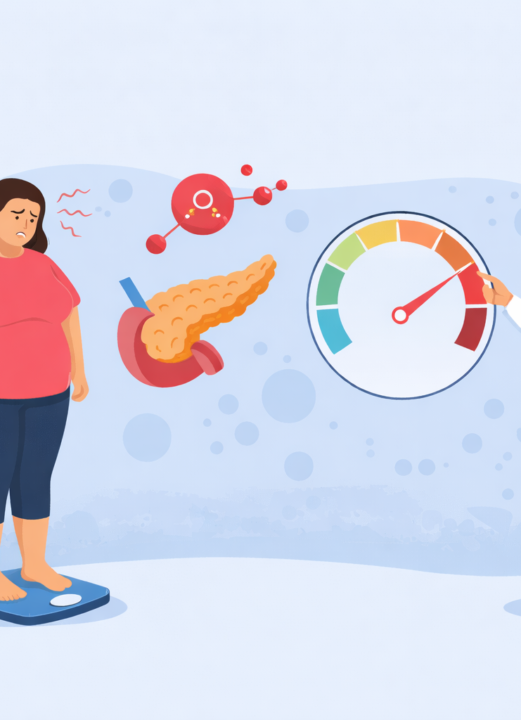
Metabolic resistance refers to a situation where the body becomes resistant to weight loss efforts. In other words, the body defends its current weight and resists burning stored fat efficiently.
This can happen even when someone is eating fewer calories or exercising regularly.
The body’s metabolism is designed to maintain balance and protect against perceived starvation. When calorie intake drops or weight loss begins, the body may respond by slowing metabolic processes.
As a result, fewer calories are burned, hunger signals increase, and fat loss becomes more difficult.
For individuals experiencing metabolic resistance, weight loss often feels much harder than expected.
Why Metabolic Resistance Happens
Metabolic resistance usually develops over time rather than appearing suddenly. Several factors can contribute to this condition.
Hormonal Imbalances
Hormones play a critical role in regulating metabolism, hunger, and fat storage.
Conditions such as insulin resistance, thyroid dysfunction, or hormonal changes related to stress can interfere with the body’s ability to burn fat efficiently.
When hormones are out of balance, weight loss becomes significantly more challenging.
Repeated Dieting
Many people who struggle with metabolic resistance have a long history of dieting.
Repeated cycles of restriction followed by weight regain can slow metabolism over time. The body becomes more efficient at conserving energy, making future weight loss attempts more difficult.
This pattern is often referred to as yo-yo dieting, and it can contribute to metabolic adaptation.
Chronic Stress
Stress hormones such as cortisol influence fat storage, appetite, and energy use.
When stress levels remain elevated for long periods, the body may prioritise fat storage, particularly around the abdominal area.
Chronic stress also affects sleep quality, which further disrupts metabolism.
Poor Sleep
Sleep deprivation has been linked to changes in hunger hormones such as leptin and ghrelin.
When sleep is inadequate, hunger increases while satiety signals decrease. This combination can lead to increased calorie intake and reduced fat burning.
Genetic and Metabolic Factors
Every individual’s metabolism is unique.
Some people naturally burn calories faster than others, while certain genetic factors can predispose individuals to weight gain or slower metabolism.
These biological differences are an important reason why weight loss results vary so widely between individuals.
Signs You May Be Experiencing Metabolic Resistance
Metabolic resistance does not have a single diagnostic test, but there are common patterns that suggest it may be present.
Some signs include:
little or no weight loss despite calorie restriction
frequent weight loss plateaus
intense hunger during dieting
fatigue or low energy levels
weight regain after dieting
Experiencing one or more of these signs does not mean weight loss is impossible. It simply indicates that the approach may need to change.
Why Traditional Dieting Often Fails
Traditional weight loss advice often focuses on one simple idea: eat less and move more.
While this principle can work for some individuals, it does not always address metabolic resistance. When calorie intake is reduced dramatically, the body may interpret the change as a threat. In response, metabolism slows to conserve energy.
At the same time, hunger hormones increase, making dieting harder to sustain.
This biological response explains why many people lose weight initially but then hit a plateau.
Without addressing the underlying metabolic factors, the cycle often repeats.
The Role of Medical Weight Management
When metabolic resistance is present, a more personalised approach to weight management may be necessary.
Medical weight management focuses on identifying and addressing the factors that influence metabolism.
This can include evaluating hormonal health, metabolic markers, lifestyle factors, and behavioural patterns that affect weight.
In some cases, prescription medications may also play a role in improving metabolic function and reducing appetite signals.
Rather than relying on extreme dieting, medical weight management focuses on sustainable strategies that support the body’s natural processes.
Breaking Through a Weight Loss Plateau
If you suspect metabolic resistance is affecting your progress, several strategies may help improve metabolic health.
Balanced nutrition that includes adequate protein, fibre, and healthy fats can support metabolic stability.
Strength training may also help increase muscle mass, which raises resting metabolic rate and improves fat burning.
Prioritising sleep and stress management is equally important. Improving these factors can help regulate hormones that influence appetite and energy use.
Finally, working with qualified healthcare professionals can provide insights that are difficult to obtain through trial and error alone.
How Modest Medix Can Help
At Modest Medix, we understand that weight loss is not simply about willpower. Many individuals face biological barriers that make traditional dieting ineffective.
Our physician-led program focuses on identifying and addressing the factors contributing to metabolic resistance.
Our comprehensive approach includes:
supervised use of medications such as Ozempic, Wegovy, or alternatives when appropriate
customised nutrition support tailored to your lifestyle
ACT-based behavioural therapy to support habit change and emotional eating management
metabolic and genetic testing to uncover hidden contributors to weight gain
ongoing coaching and follow-up to support sustainable progress
By addressing the science behind weight management, we help patients move beyond frustration and build long-term success.
Conclusion
Metabolic resistance is one of the most common reasons people struggle to lose weight despite their best efforts.
Hormones, genetics, stress, sleep, and past dieting history all play a role in how the body regulates weight.
Recognising these factors helps shift the conversation from blame to understanding.
With the right support and personalised strategies, it is possible to overcome metabolic resistance and achieve lasting improvements in health.
And when expert guidance is needed, the team at Modest Medix is here to help.
Written by the Modest Medix Clinic Team | Reviewed by Dr. Saima Khan (Dr. Eskay)