Introduction
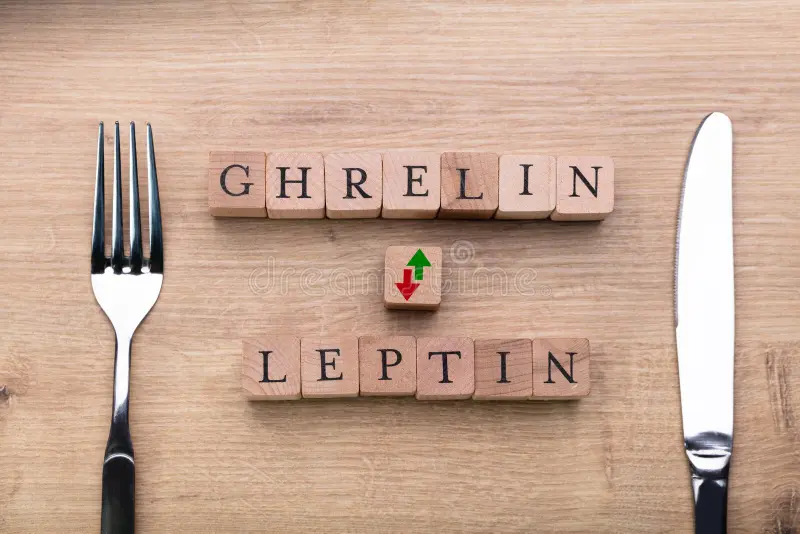
If you’ve ever wondered how appetite hormones ghrelin and leptin influence your hunger, cravings, and weight loss, the answer goes far beyond willpower. These hormones play a direct role in how much you eat, how full you feel, and how your body responds to dieting.
At times, you may feel hungry even after eating enough. Other times, your appetite seems easier to manage. These shifts are not random. They are largely controlled by how ghrelin and leptin function in your body.
Understanding this can change the way you approach weight loss.
What Are Appetite Hormones Ghrelin and Leptin?
To understand appetite control, it helps to look at the two key hormones involved.
What Is Ghrelin?
Ghrelin is often called the “hunger hormone.” It is released primarily in the stomach and signals your brain that it is time to eat.
Levels of ghrelin typically:
- Increase before meals
- Decrease after eating
When ghrelin levels are high, you are more likely to feel hungry and think about food.
What Is Leptin?
Leptin is known as the “fullness hormone.” It is produced by fat cells and helps signal to your brain that you have enough energy stored.
Leptin works to:
- Reduce appetite
- Support energy balance
- Signal satiety after meals
In simple terms, ghrelin tells you to eat, while leptin tells you to stop.
How Appetite Hormones Ghrelin and Leptin Affect Weight Loss
Weight loss is not just about calories. Hormones influence how your body responds to a calorie deficit.
Why Ghrelin Increases During Weight Loss
When you lose weight, your body senses a drop in energy availability. In response, ghrelin levels can rise.
This means:
- You feel hungrier more often
- Cravings may increase
- Sticking to a calorie deficit becomes harder
This is one reason why weight loss becomes more challenging over time.
Why Leptin Decreases as You Lose Weight
At the same time, leptin levels tend to decrease as body fat reduces.
Lower leptin levels can:
- Reduce feelings of fullness
- Make it harder to feel satisfied after meals
- Increase the likelihood of overeating
Together, these hormonal shifts create a natural resistance to continued weight loss.
Ghrelin vs Leptin: Why Balance Matters
Rather than thinking of these hormones as “good” or “bad,” it is more helpful to understand their balance.
What Happens When Ghrelin Is Too High?
Consistently high ghrelin levels can lead to:
- Frequent hunger
- Increased snacking
- Difficulty maintaining a calorie deficit
What Happens When Leptin Signals Are Disrupted?
In some cases, the body may not respond properly to leptin signals. This is known as leptin resistance.
When this happens:
- The brain does not recognise fullness effectively
- Appetite remains high despite adequate intake
- Weight management becomes more complex
This imbalance between ghrelin and leptin can make weight loss feel harder than expected.
How Appetite Hormones Ghrelin and Leptin Change Over Time
Your hormone levels are not fixed. They shift based on lifestyle, diet, and overall health.
The Impact of Dieting
Strict calorie restriction can increase ghrelin and reduce leptin more significantly. This can lead to:
- Increased hunger
- Reduced energy
- Difficulty sustaining results
The Role of Sleep
Poor sleep has been shown to:
- Increase ghrelin levels
- Decrease leptin levels
This combination can make appetite harder to manage the following day.
The Effect of Stress
Chronic stress may influence appetite indirectly by affecting hormonal balance and food choices.
These factors highlight why managing lifestyle is just as important as managing calories.
How to Support Healthy Appetite Hormones Ghrelin and Leptin
You cannot completely control these hormones, but you can influence how they behave.
Prioritise Balanced Nutrition
Meals that include protein, fibre, and healthy fats can help improve satiety and stabilise hunger.
Avoid Extreme Dieting
Severe calorie restriction can disrupt hormone balance and make hunger harder to manage.
Improve Sleep Quality
Consistent, high-quality sleep supports better regulation of ghrelin and leptin.
Stay Consistent
Long-term consistency is more effective than short-term intensity when it comes to managing appetite.
When Appetite Hormones Affect Your Progress
If you constantly feel hungry, struggle with cravings, or find it difficult to maintain progress, appetite hormones may be playing a role.
This does not mean something is wrong. It means your body is responding in a way that requires a more personalised approach.
Conclusion – Appetite Hormones Ghrelin and Leptin
Understanding appetite hormones ghrelin and leptin can completely change how you view hunger and weight loss.
If you’ve ever felt like your appetite is working against you, it often comes down to how these hormones are functioning. Ghrelin can increase hunger, while leptin can become less effective over time, especially during weight loss.
Rather than relying on willpower alone, recognising these biological signals allows for a more realistic and sustainable approach.
Managing appetite is not about control. It is about understanding what your body is telling you and responding in a way that supports long-term health.
How Modest Medix Can Help
At Modest Medix, appetite regulation is addressed as part of a broader, medically guided approach to weight management.
For some patients, medications such as Ozempic or Wegovy may be recommended. These treatments can help regulate appetite signals and support better control over hunger.
Alongside this, patients receive personalised nutrition plans tailored to their metabolic needs. For those requiring deeper insights, metabolic and genetic testing can help identify factors influencing appetite and weight.
Behavioural support using ACT-based therapy helps patients build sustainable habits and manage patterns such as emotional eating.
With ongoing coaching and regular follow-ups, the program adapts as your body changes, helping you better manage appetite and maintain long-term results.
Written by the Modest Medix Clinic Team | Reviewed by Dr. Saima Khan (Dr. Eskay)