Introduction
Ramadan is a deeply meaningful time for reflection, faith, and community. For many people, it also involves fasting from sunrise to sunset. If you’re currently using Ozempic or Wegovy for medical weight loss, you may be wondering:
Is it safe to take Ozempic while fasting Ramadan?
It’s one of the most common questions we hear from patients across Ontario.
The short answer is: many people can safely fast while taking GLP-1 medications like Ozempic or Wegovy — but it depends on your body, your dosage, and your overall health.
Let’s walk through what you need to know so you can fast safely and confidently.
How Ozempic and Wegovy Work in the Body
Ozempic and Wegovy belong to a group of medications called GLP-1 receptor agonists. These medications support weight loss by:
- Reducing appetite
- Slowing digestion
- Improving insulin sensitivity
- Increasing feelings of fullness
- Reducing cravings and emotional eating
Because they naturally suppress hunger, many patients already find themselves eating less. During Ramadan, this appetite reduction can feel stronger, especially when combined with long fasting hours.
That’s why thoughtful planning becomes essential.
Is It Safe to Take Ozempic While Fasting Ramadan?
For most medically supervised patients, fasting while using Ozempic or Wegovy is safe.
However, tolerance varies depending on:
- Your current dose
- How long you’ve been on the medication
- Hydration levels
- Underlying medical conditions
- Side effects like nausea or dizziness
Patients who recently started treatment or are still increasing their dose often feel side effects more intensely. For this group, fasting can feel harder at first.
This doesn’t mean Ramadan is impossible — it simply means adjustments may be needed.
Common Challenges When Fasting on GLP-1 Medications
Some people notice:
- Lightheadedness from low fluid intake
- Fatigue due to reduced calories
- Nausea when breaking the fast
- Constipation from dehydration
- Headaches or weakness
These symptoms usually reflect hydration or nutrition gaps rather than medication failure. With proper guidance, most patients learn how to manage them effectively.
Practical Tips for Taking Ozempic or Wegovy During Ramadan
If you’re fasting while using GLP-1 medications, these strategies can help:
Time Your Injection Wisely
Many patients prefer injecting after iftar or before suhoor to reduce daytime discomfort.
Hydrate Intentionally
Drink water steadily between sunset and sunrise. Aim for small, frequent sips rather than large amounts at once. Electrolytes can help if dizziness occurs.
Break Your Fast Gently
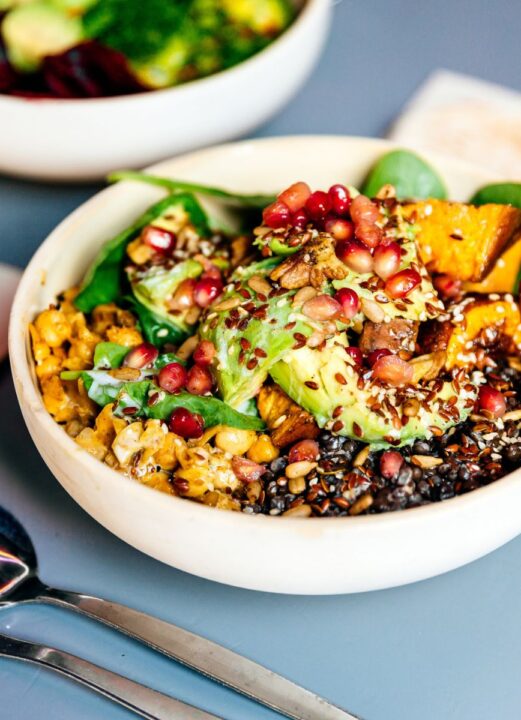
Start with protein and fibre instead of heavy fried foods. This supports digestion and prevents nausea.
Avoid Large Portions at Iftar
GLP-1 medications slow stomach emptying. Overeating can cause bloating or reflux.
Protect Muscle Mass
Rapid weight loss without enough protein can lead to muscle loss. Including protein at both suhoor and iftar helps preserve lean mass.
Listen to Your Body
Islam allows exemptions for health. If fasting feels unsafe, medical guidance matters more than pushing through discomfort.
Metabolic Benefits of Wegovy During Ramadan
Wegovy doesn’t just support weight loss. It also improves insulin resistance, blood sugar regulation, and metabolic health.
For many patients in Ontario, Ramadan becomes an opportunity to reset habits while Wegovy supports:
- Fat loss rather than muscle loss
- Reduced inflammation
- Improved appetite control
- Better energy regulation
However, medication alone is never enough. Long-term results depend on nutrition, behaviour, sleep, and stress management.
Who Should Be Extra Cautious?
- You should speak with your provider before fasting if you:
- Recently started Ozempic or Wegovy
- Have diabetes or blood sugar concerns
- Experience frequent nausea or vomiting
- Have low blood pressure
- Struggle with hydration
Medical oversight ensures fasting remains aligned with your health goals.
How Modest Medix Can Help
If metabolism and weight loss have ever felt confusing or frustrating, we understand.
That’s why our team works with you one-on-one to figure out what’s really going on — especially during Ramadan or major lifestyle changes.
At Modest Medix, our weight management team includes:
- Medical doctors and registered dietitians
- Health educators, social workers, and coaches
We help you:
- Understand your own metabolism, not just general advice
- Use genetics-based testing to learn how your body processes food, stores fat, and builds muscle
- Apply ACT-based therapy to support habit change without shame
- Create a sustainable plan built around your real life
Our comprehensive, physician-led program also includes:
- Supervised use of Ozempic, Wegovy, or alternatives
- Customised nutrition support
- Metabolic and genetic testing when needed
- Ongoing coaching and follow-up so you’re never left guessing
We don’t do one-size-fits-all.
We do what fits you and works long-term.
Conclusion
So, is it safe to take Ozempic while fasting Ramadan?
For many people, yes — with proper hydration, thoughtful nutrition, and medical guidance.
Ramadan isn’t about punishment or restriction. It’s about intention, balance, and care for your body.
You don’t need a new metabolism.
You just need to understand the one you have and work with it.
Start with small changes that stick.
And if you need help, we’re here.
Written by the Modest Medix Clinic Team | Reviewed by Dr. Saima Khan (Dr. Eskay)