Introduction
If you’ve ever wondered is BMI accurate, you’re not alone. Body Mass Index (BMI) is one of the most commonly used tools to assess weight and health, yet many people feel that it does not reflect their actual condition.
You might fall into a “normal” range but still feel unhealthy. Or you may be labelled “overweight” despite being active and fit.
This raises an important question — how much can BMI really tell you about your health?
What Is BMI and How Is It Used?
BMI is a simple calculation based on your height and weight.
How BMI Is Calculated
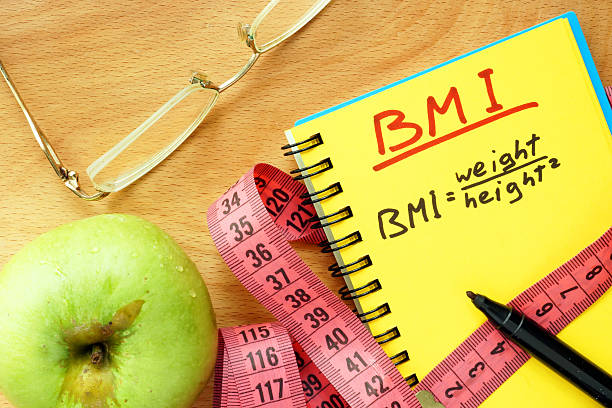
It uses the formula:
- Weight (kg) ÷ Height (m²)
Based on this, individuals are classified into categories such as underweight, normal weight, overweight, or obese.
Why BMI Is Widely Used
BMI is popular because it is:
- Quick and easy to calculate
- Useful for large population studies
- A general screening tool
However, being simple also means it has limitations.
Is BMI Accurate for Measuring Health?
This is where the question “is BMI accurate” becomes important.
BMI can give a general idea of weight status, but it does not measure health directly. It cannot distinguish between fat, muscle, or other key factors that influence overall wellbeing.
For many individuals, this can lead to misleading conclusions.
What BMI Doesn’t Tell You About Your Health
Understanding the limitations of BMI helps explain why it should not be used alone.
BMI Does Not Measure Body Fat
BMI does not differentiate between fat and muscle.
This means:
- A muscular person may be classified as overweight
- Someone with higher body fat but low muscle may appear “normal”
BMI Does Not Show Fat Distribution
Where fat is stored matters more than total weight.
For example:
- Abdominal (visceral) fat is linked to higher health risks
- BMI does not indicate where fat is located
BMI Does Not Reflect Metabolic Health
Two people with the same BMI can have very different health profiles.
BMI does not account for:
- Blood sugar levels
- Cholesterol
- Blood pressure
- Insulin resistance
This is why someone with a “normal” BMI may still have underlying health concerns.
Is BMI Accurate for Everyone?
BMI does not apply equally to all individuals.
Differences in Body Composition
Age, gender, and genetics all affect body composition. For example:
- Women naturally carry more body fat than men
- Older adults may have less muscle mass
Ethnic and Genetic Variations
Different populations may have varying risk levels at the same BMI.
This further highlights why relying solely on BMI can be misleading.
BMI vs Body Fat: Why the Difference Matters
When asking is BMI accurate, it helps to compare it with more meaningful measures.
Why Body Fat Percentage Matters
Body fat percentage provides a clearer picture of:
- How much fat your body carries
- Whether your weight is coming from fat or muscle
Other Health Indicators to Consider
A more complete assessment includes:
- Waist circumference
- Blood tests
- Energy levels and lifestyle factors
These give a more accurate understanding of overall health.
When BMI Can Still Be Useful
Despite its limitations, BMI is not completely irrelevant.
A Starting Point, Not a Diagnosis
BMI can be helpful as a general screening tool, especially at a population level.
However, it should always be followed by deeper assessment if needed.
Conclusion – Is BMI Accurate?
So, is BMI accurate?
The answer is that it can be useful, but it is not complete. BMI provides a rough estimate of weight status, but it does not capture the full picture of your health.
It does not account for body composition, fat distribution, or metabolic factors — all of which play a significant role in overall wellbeing.
Understanding what BMI doesn’t tell you allows for a more informed and balanced approach to health.
Rather than relying on a single number, it is more helpful to look at a combination of factors that reflect how your body is actually functioning.
How Modest Medix Can Help
At Modest Medix, weight and health are assessed beyond a single measurement like BMI.
Patients receive a comprehensive evaluation that may include metabolic and genetic testing to better understand how their body responds to nutrition and weight changes.
For those who require medical support, treatments such as Ozempic or Wegovy may be recommended as part of a structured plan.
Each program includes personalised nutrition guidance, tailored to individual needs rather than generic targets.
Behavioural support using ACT-based therapy helps patients build sustainable habits and improve long-term outcomes.
With ongoing coaching and regular follow-ups, patients are guided through a process that focuses on overall health, not just a number on the scale.
Written by the Modest Medix Clinic Team | Reviewed by Dr. Saima Khan (Dr. Eskay)