Introduction
Ramadan is a time of spiritual reflection, discipline, and community. Yet for many people, it can also become a season of overeating — especially at iftar.
After hours of fasting, intense hunger often leads to large portions, multiple servings, and desserts that feel impossible to resist. If you’ve ever wondered how to practise Ramadan portion control without feeling deprived, you’re not alone.
The good news? You don’t need extreme restriction. With a few strategic adjustments, you can enjoy iftar while protecting your health, energy, and weight goals.
Why Overeating Happens at Iftar
Understanding why overeating occurs makes Ramadan portion control easier.
After fasting all day, your body experiences:
- Lower blood sugar
- Increased hunger hormones (ghrelin)
- Heightened food reward response
- Fatigue and emotional depletion
As soon as food becomes available, your brain shifts into rapid refuelling mode. This often results in eating quickly and choosing high-calorie foods first.
Additionally, Ramadan meals are social and celebratory. Buffets, family gatherings, and traditional sweets create an environment where large portions feel normal.
Overeating during Ramadan isn’t a failure of willpower. It’s a predictable biological response.
How Ramadan Portion Control Prevents Weight Gain
Many people are surprised to gain weight during Ramadan despite fasting daily. The reason usually comes down to portion size.
Large evening meals can:
- Spike blood sugar
- Increase fat storage
- Disrupt sleep
- Slow digestion
- Trigger late-night snacking
Practising Ramadan portion control helps stabilise blood sugar, improve digestion, and prevent post-Ramadan weight gain.
Most importantly, it protects your long-term metabolic health.
Start Iftar the Smart Way
The first five minutes of iftar determine how the rest of the meal unfolds.
Break your fast gently
Begin with water and one or two dates. This restores glucose levels without overwhelming your system.
Pause before your main meal
Give yourself 10–15 minutes before loading your plate. This allows your stomach and brain to communicate satiety signals.
When you slow down at the start, Ramadan portion control becomes much easier.
Build a Balanced Plate
Instead of focusing on what to avoid, focus on building structure.
A simple visual rule works well:
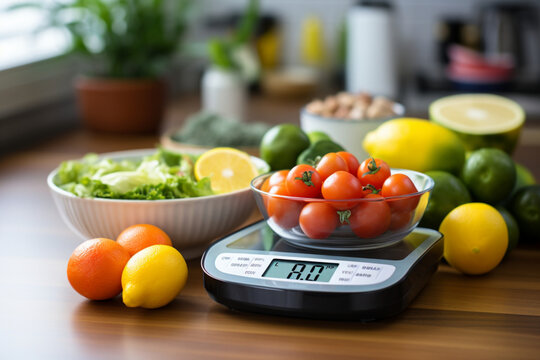
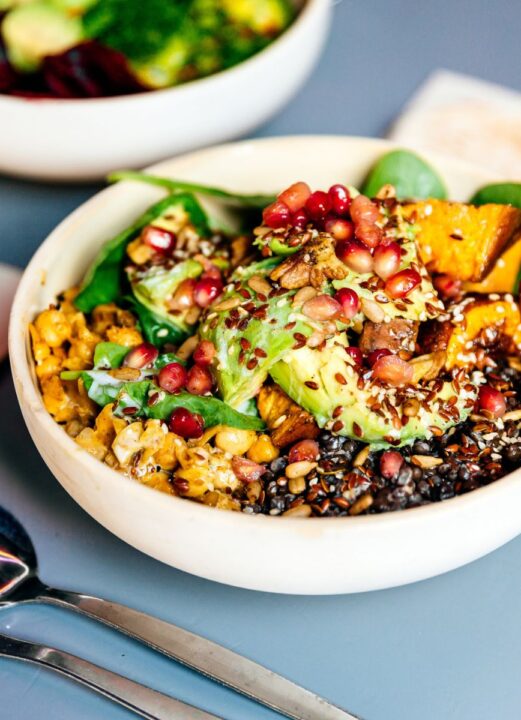
- Half your plate: vegetables or salad
- One quarter: lean protein
- One quarter: complex carbohydrates
Protein and fibre increase fullness, which naturally reduces the urge for second servings.
When your plate is balanced, you’re less likely to crave excess sweets later.
Eat Slowly to Support Portion Control During Ramadan
Speed plays a major role in overeating.
Fullness hormones take approximately 15–20 minutes to activate. Eating quickly overrides this signal.
Try these techniques:
- Put your fork down between bites
- Take small sips of water
- Engage in conversation
- Chew thoroughly
Mindful pacing enhances Ramadan portion control without requiring strict calorie counting.
Be Intentional With Traditional Foods
Ramadan often includes rich cultural dishes and desserts. Eliminating them completely can backfire.
Instead:
- Choose one indulgent item, not several
- Serve yourself a small portion instead of eating from shared trays
- Avoid going back for seconds
Intentional choices feel empowering rather than restrictive.
Don’t Skip Suhoor
Skipping suhoor may seem like a shortcut to eating less overall. In reality, it increases evening hunger and worsens portion control.
A balanced suhoor should include:
- Protein (eggs, Greek yogurt, lentils)
- Fibre (oats, whole grains, vegetables)
- Healthy fats (nuts, seeds)
- Adequate hydration
Stable blood sugar during the day reduces overeating at iftar.
Manage Sugar Cravings
Large portions often come from craving sweets after fasting.
To reduce this:
- Prioritise protein at iftar
- Hydrate before dessert
- Choose fruit-based sweets when possible
- Avoid drinking calories
Balanced blood sugar makes Ramadan portion control sustainable.
The Role of Emotional Eating
For some people, overeating during Ramadan isn’t purely physical.
Fatigue, stress, loneliness, or family pressure can increase emotional eating. When food becomes comfort, portion control feels harder.
That’s why behavioural support matters just as much as nutrition.
Addressing emotional triggers creates lasting change beyond Ramadan.
What If You’ve Already Overeaten?
Perfection isn’t the goal.
If one evening goes off track:
- Avoid skipping meals the next day
- Hydrate consistently
- Return to balanced plates
- Focus on your next choice
Ramadan portion control is about consistency, not rigid rules.
How Modest Medix Can Help
If portion control during Ramadan feels difficult or if weight gain has become a yearly pattern, professional guidance can make a significant difference.
At Modest Medix, our physician-led weight management program includes:
- Supervised use of Ozempic, Wegovy, or alternatives when appropriate
- Customised nutrition plans tailored to cultural and fasting needs
- ACT-based behavioural therapy for emotional eating and habit change
- Metabolic and genetic testing to uncover hidden barriers
- Ongoing coaching and follow-up so progress continues beyond Ramadan
We work with your lifestyle, not against it.
Our goal is sustainable health — not short-term restriction.
Conclusion – How to Eat Without Overindulging at Iftar
Ramadan portion control doesn’t require strict dieting or eliminating traditional foods.
Small, intentional adjustments can prevent overeating, protect your metabolism, and improve energy throughout the month.
Start with water. Build balanced plates. Eat slowly. Stay consistent.
Ramadan is about discipline, reflection, and growth. Your health deserves to be part of that journey too.
And if you’re ready for structured, medical support, Modest Medix is here to guide you.
Written by the Modest Medix Clinic Team | Reviewed by Dr. Saima Khan (Dr. Eskay)